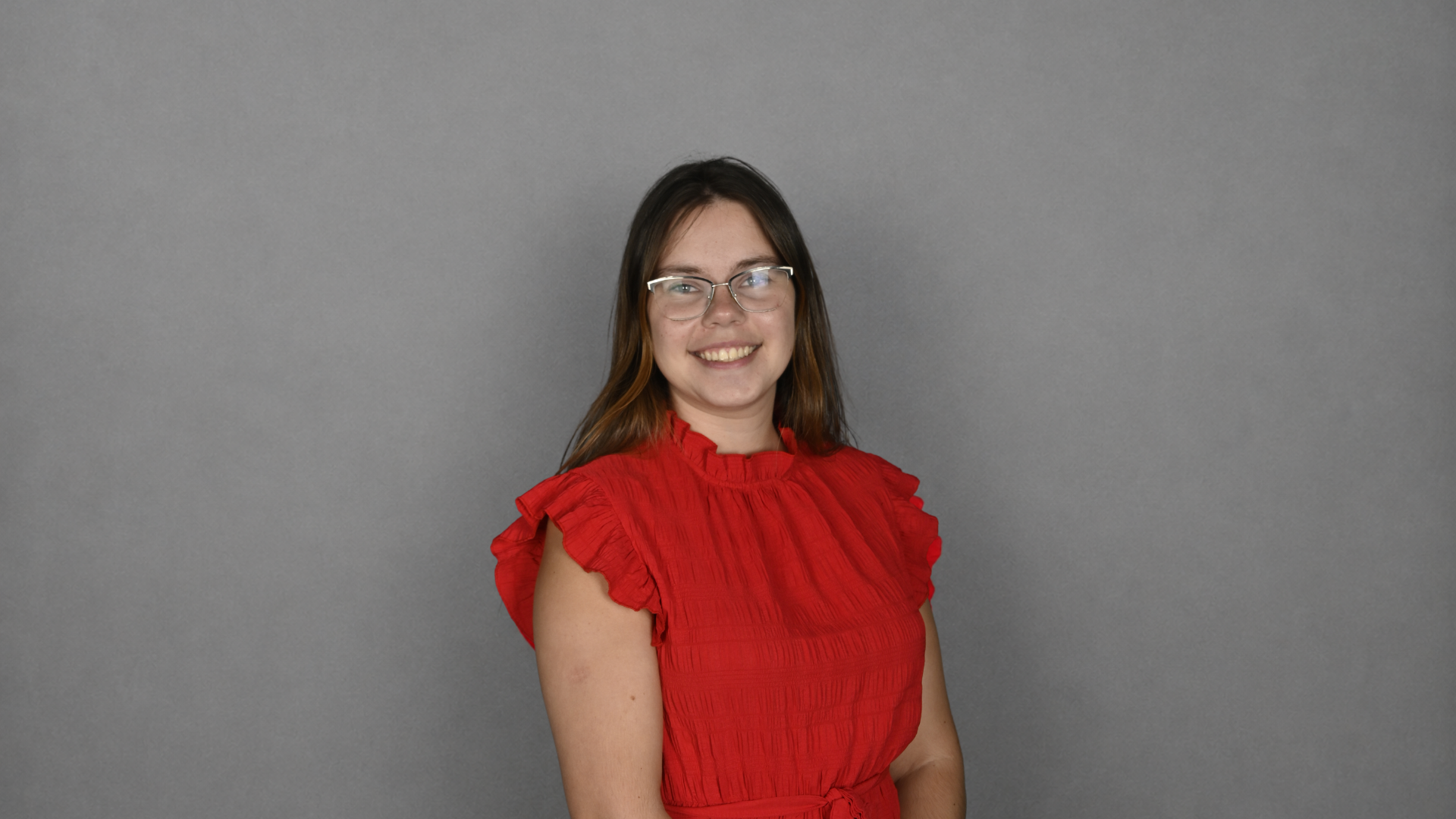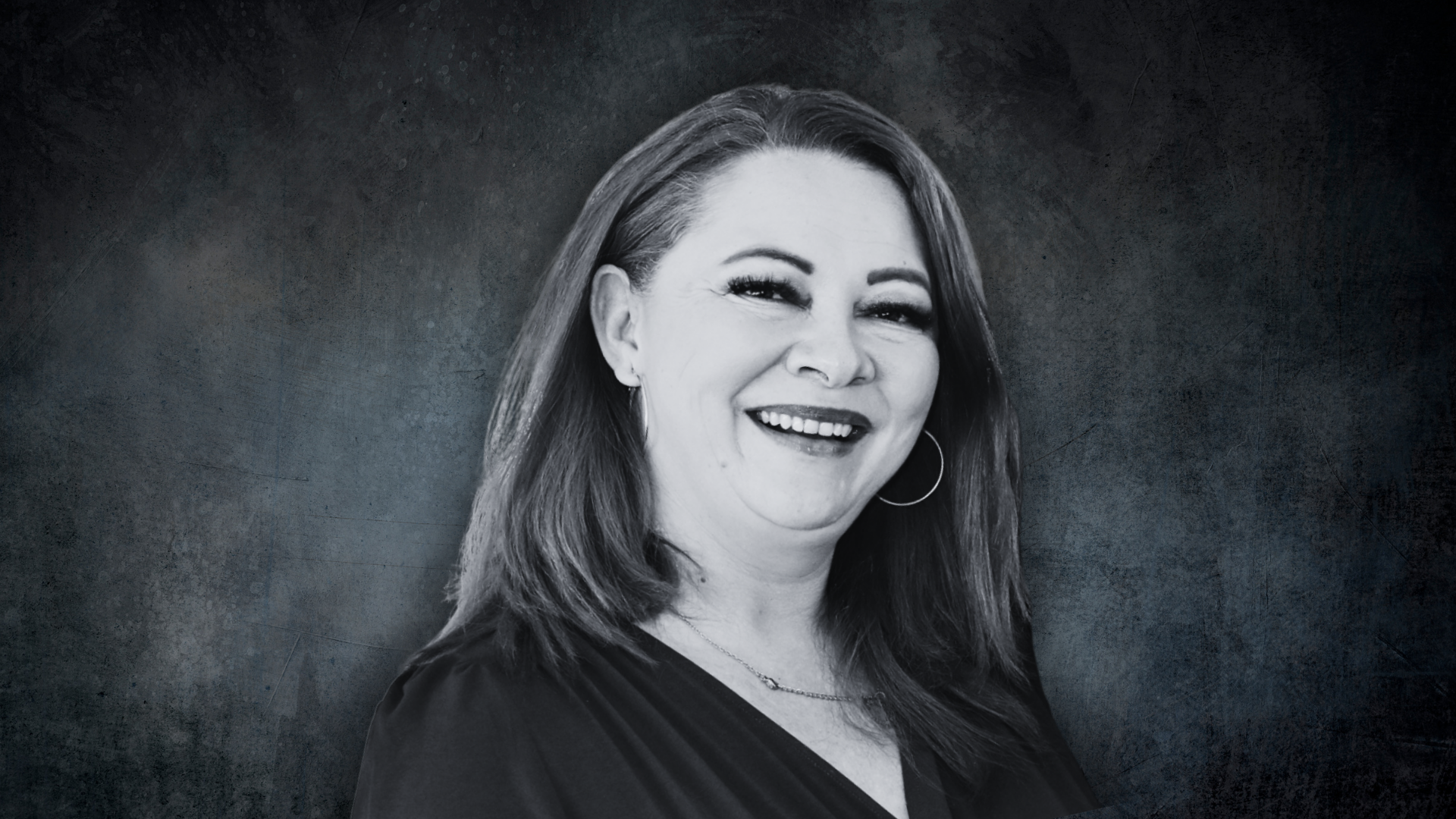
In Conversation with Maryam Peters, HR Assistant of VEA Group
Leadership in the Moments That Matter
In leadership, the moments that matter most are rarely the ones that come with certainty. Often, they arrive when the clock is ticking, the information is incomplete and the easy decision is not necessarily the right one.
For Maryam Peters, these moments have become defining points in a rapidly evolving leadership journey, rooted in ownership, resilience, operational discipline and, above all, the conviction that meaningful leadership is about people.
From HR Foundations to Greater Ownership
Peters’ career in human resources began modestly, as an HR Business Partner graduate supporting recruitment, onboarding, payroll, employee relations and learning and development.
From there, she moved through a series of increasingly hands-on roles, progressing from supporting HR functions to taking ownership of them across recruitment, industrial relations, payroll and training and development.
Her move to VEA Group has accelerated that trajectory.
In an environment where leadership is expected at every level, reflecting Jim Collins’s idea of a Level 5 leadership culture, ambition is channelled towards the organisation, its purpose and the work rather than the individual.
Peters, who is occupying the title of HR Assistant, is quick to look beyond the designation. Her responsibilities have expanded into payroll administration, talent management and broader HR business partnering across the organisation.
More importantly, she says the learning curve has been significant. “In the few months that I’ve been working here, I’ve learned so much,” she says, reflecting on a period she believes has taught her more than several years of previous experience.
Leadership Beyond the Job Title
For Peters, leadership is inseparable from accountability. However, she draws an important distinction between management and leadership, arguing that “the work of managing is not the work of leading.”
In her view, managers may be accountable for maintaining the status quo, whereas leaders combine accountability with ingenuity and take responsibility for turning ideas into action.
This distinction is consistent with Kosinski’s (2018) view that effective leadership extends beyond formal roles or positions and is shaped by the personal qualities and behaviours that enable individuals to influence and mobilise others.
Collectively, Peters and Kosinski suggest that leadership is not simply about overseeing existing processes but about taking ownership, exercising initiative, and translating ideas into purposeful action.
Her philosophy has been reinforced by the leadership culture she has encountered at VEA Group. Rather than simply directing employees, her manager has encouraged her to take ownership of her own work.
It is a philosophy Peters describes simply: if everyone takes ownership, people can lead together.
Resilience as Part of Growth
This approach also shapes her understanding of resilience.
Unlike the popular narrative that treats resilience as a badge of honour, Peters sees it as something far more fundamental: part of the process of growth.
“If you have a vision for yourself… you can only reach your vision if you grow, and you can only grow if you are uncomfortable,” she firmly says.
Mistakes and setbacks, therefore, are not interruptions to the journey. They are part of it. The real test is whether a person can acknowledge the mistake, understand what caused it, learn from it and move forward.
People, Performance and Purpose
This philosophy extends naturally into Peters’ approach to people leadership. In HR, she argues, business performance and human performance cannot be separated.
As Deloitte’s Prioritising Human Performance research puts it, human performance is the mutually reinforcing cycle of human and business outcomes, suggesting that how people perform and thrive is intrinsically connected to how organisations perform.
Organisations achieve sustainable results when their people understand where they are going, why it matters and how their own aspirations connect to the broader vision.
For Peters, this alignment began with conversation. The question which her manager asked her, “What is your vision for yourself, and how can I help you get there?” was transformative.
It signalled to Peters that her ambitions matter and that leadership is not simply about extracting performance but enabling potential.
The People Who Shape a Leader
Her own leadership has been shaped by many people, from colleagues whose personal experiences have taught her valuable lessons to an aunt who rose from humble beginnings to an executive position.
The lesson Peters carries forward is that leadership is not confined to the workplace or a job title. It is reflected in the small choices made every day.
Building a Stronger Future for VEA Group
Ultimately, Peters’ ambition reaches beyond her own career progression.
She wants to help build a stronger VEA Group for the generations that follow.
With the organisation’s long-term vision in mind, she sees today’s employees as part of something bigger: laying foundations that others will inherit.
Her goals are both practical and deeply human, from improving recruitment and payroll processes to contributing to systems and contracts that could shape the organisation’s future.
Peters wants to become an effective leader, mentor others and create a multiplier effect in which those she develops go on to develop others.
For Peters, success is not ultimately measured by a title. It is measured by the effort invested, the standards upheld, the people developed and the organisation left stronger than it was before.
This is true leadership with purpose. And, when the pressure is on, it is leadership with precision.