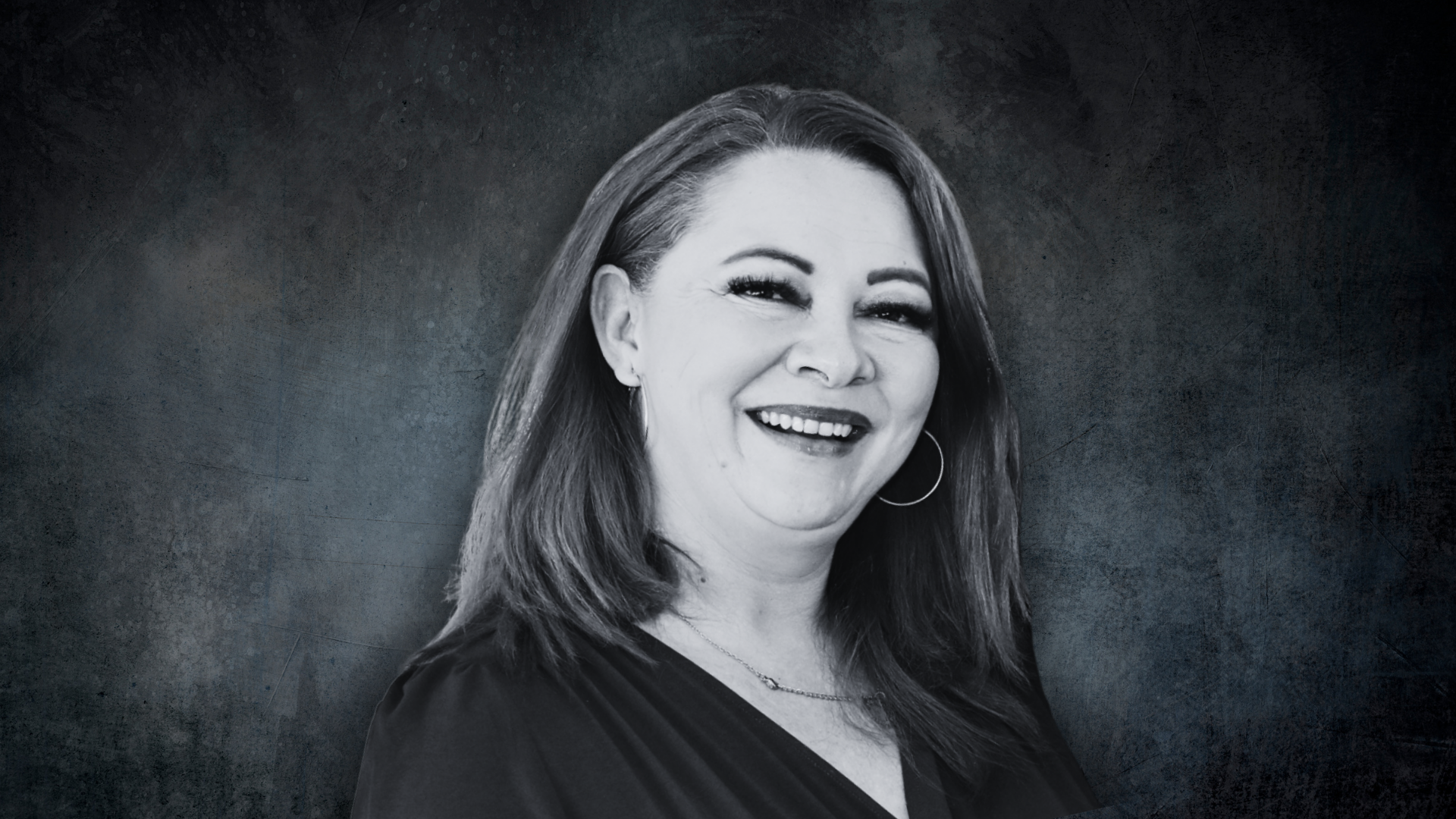
In Conversation with Cornita Mortarotti, Chief Culture Officer of VEA Group
Some leaders build companies. Others build movements. The rarest among them build institutions, organisations capable of surviving changing markets, changing leaders and changing generations because they are rooted in something deeper than personality. They are anchored in purpose.
It is this very distinction that sits at the heart of Cornita Mortarotti’s philosophy as Chief Culture Officer of VEA Group. While culture has become one of the most frequently used words in modern business, Mortarotti speaks about it with unusual precision. Not as employee engagement. Not as HR. Not as a collection of values framed on office walls. For her, culture is something far more consequential. It is the operating system of an organisation. It is the invisible force that determines whether a vision becomes an enduring institution or remains merely an ambitious idea. “Culture,” she says, “is how people feel when they interact with you.”
It is a deceptively simple statement that reveals a much bigger truth. Because how people feel influences how they think. How they think shapes how they act. And how they act ultimately determines what an organisation becomes. That chain of cause and effect is where institutions are either built or broken.
Every Legacy Begins With One Question
Long before businesses concern themselves with strategy, performance or scale, Mortarotti believes they must answer one fundamental question: Why do we exist?
Within VEA Group, the answer begins with what is called a Definite Chief Aim, a concept drawn from the renowned author Napoleon Hill but transformed into a practical organisational discipline. Every company within the group’s ecosystem begins here. Not with revenue, not with market share, not with expansion but with purpose.
“When you have definiteness of purpose,” Mortarotti explains, “you know what you’re willing to give in exchange for the success you’re pursuing.” That clarity changes everything.
Purpose stops an organisation from becoming reactive. Instead, it becomes intentional. In an age where businesses often chase quarterly performance at the expense of long-term relevance, this distinction is profound.
The Bridge Between Vision and Legacy
Vision alone has never built a great institution. History is filled with visionary founders whose businesses disappeared because their ideas were never translated into disciplined execution. Mortarotti argues that the bridge between vision and legacy is culture.
At VEA Group, this bridge is formalised through its Success Process Flow, a philosophy that moves from Definite Chief Aim to mindset, then to disciplined people, disciplined thought and disciplined action. The sequence matters.
Too often organisations attempt to fix performance without addressing thinking. Mortarotti works in the opposite direction. Change the mindset; the mindset changes behaviour, and behaviour shapes culture.
“The only limitations that exist,” she says, “are the ones we place in our own minds.”
It is not motivational rhetoric. Inside VEA Group, mindset is deliberately cultivated through structured inductions, visualisation practices, one-on-one coaching, leadership development, strategic reading, vision workshops and continuous mentoring. Every individual is encouraged to define a compelling personal vision, align it with the organisation’s broader purpose and then reverse-engineer a disciplined plan to achieve it. Growth is not left to chance; it is designed.
Building Great People, Not Great Personalities
Many businesses become dependent on extraordinary founders. A few successfully transition beyond them. Mortarotti believes the difference lies in what leaders choose to build.
“People don’t do what you say,” she reflects. “They do what you do.”
Leadership, in her view, is less about creating followers than multiplying leaders. Rather than building organisations around charismatic personalities, VEA Group invests in building capable people who can think independently, solve problems confidently and continue advancing the institution long after today’s leaders have stepped aside.
This philosophy echoes one of Jim Collins’ defining observations in Good to Great: enduring organisations are built by Level 5 leaders, individuals whose ambition is directed not towards personal recognition but towards institutional greatness. Mortarotti embodies that philosophy. She speaks remarkably little about herself. Instead, conversation continually returns to people. How they grow, how they discover purpose, how they overcome limiting beliefs.
Values Are Verbs
Ask most organisations about their values and they will point towards words displayed on reception walls. Mortarotti offers a different perspective.
“Values are not nouns,” she says. “They are verbs.”
In other words, values only exist when they are practised. At VEA Group, values become visible through action: relentless improvement, disciplined execution, persistent effort and measurable output. Mortarotti herself embodies the philosophy she expects from others. She speaks less about effort than outcomes. Less about hours worked than value created. Less about intention than consistent execution.
Leadership, she believes, always begins with personal example. Culture cannot be delegated; it can only be demonstrated.
Why Culture Is Not HR
For decades, culture has largely been treated as an extension of Human Resources, a function responsible for engagement, events or employee wellbeing. She rejects that thinking entirely. Culture, she argues, determines strategy’s success long before strategy reaches execution.
It influences how customers experience a brand, how investors experience leadership and how candidates experience recruitment. Moreover, how teams respond to uncertainty, how quickly organisations innovate and how confidently people solve problems.
In that sense, culture is not adjacent to business performance.
“Culture eats strategy for breakfast,” she says, echoing Peter Drucker’s famous observation but extending it further. Because if people feel limited, fearful or uncertain, execution inevitably suffers. If they feel trusted, capable and inspired, they build differently. They innovate differently. They lead differently and ultimately; they create businesses capable of enduring.
The Legacy Conversation
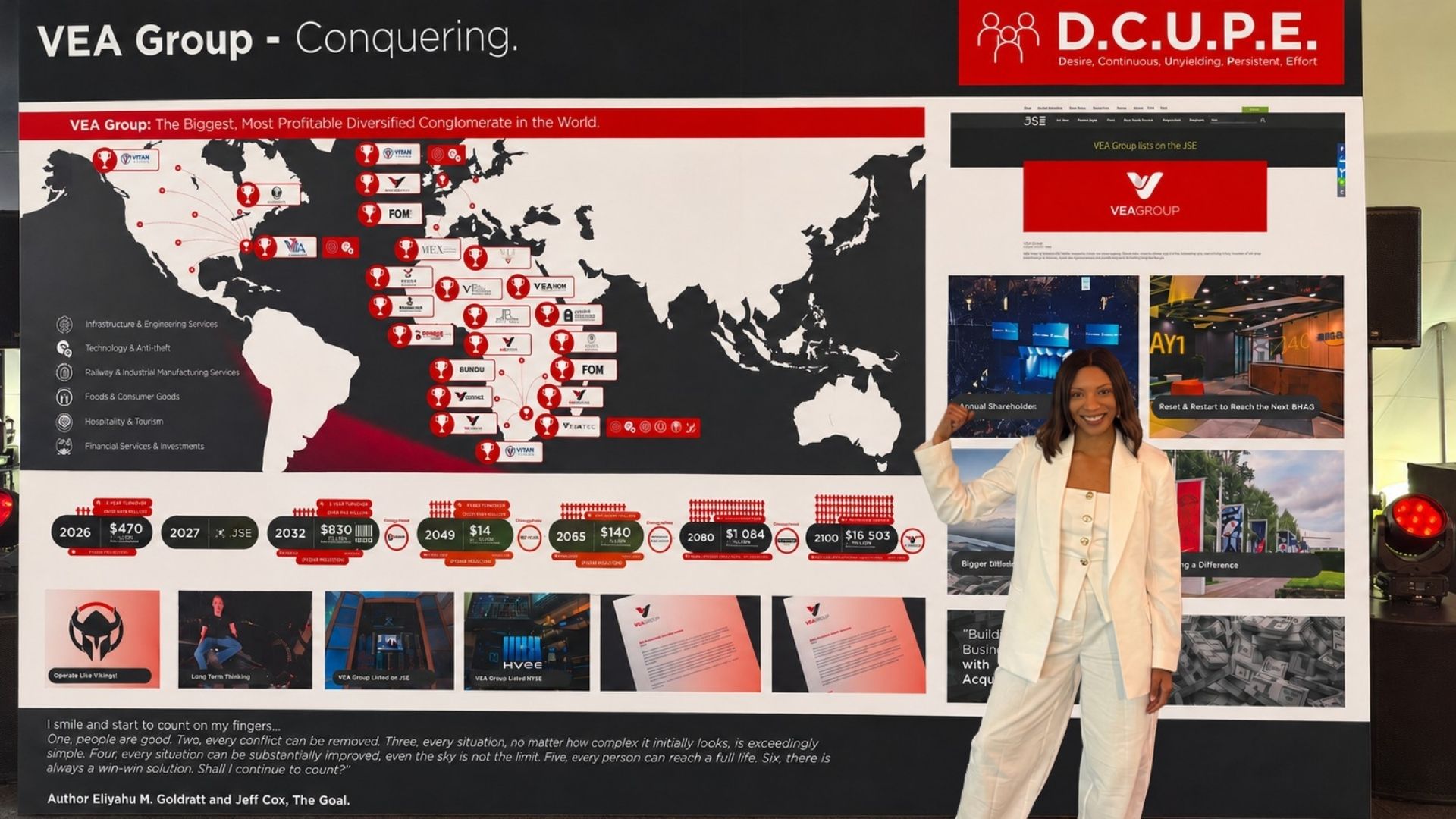
There is a moment during the conversation when Mortarotti speaks about the future, not in terms of quarterly targets or annual plans, but generations. VEA Group’s ambition stretches across a hundred-year vision. Legacy becomes less about what we build during our lifetime and more about what continues long after we are gone.
Perhaps that is why Mortarotti sees culture not as a department but as a responsibility carried by every leader. Because institutions do not endure through strategy alone.
They endure because generations of people inherit a way of thinking, a way of leading and a shared belief in something bigger than themselves. The greatest leaders are rarely remembered for the titles they held.
They are remembered for the people they developed, the institutions they strengthened and the futures they made possible. That is the kind of legacy Cornita Mortarotti believes is worth building. And perhaps, in a world increasingly obsessed with personal brands, this is exactly the conversation leadership needs most.