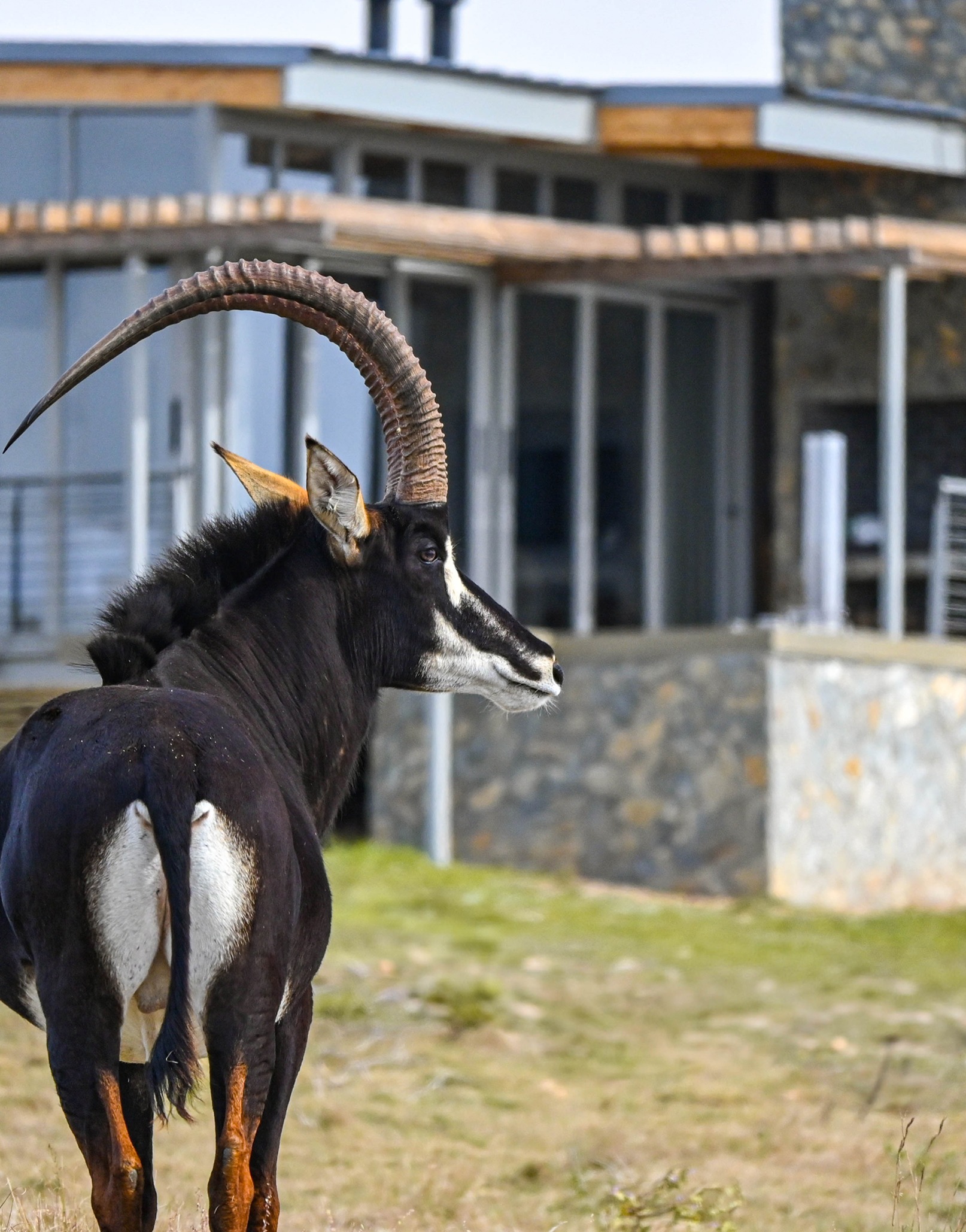
The most valuable genetics are not bought in a single sale; they are built, selected and proven across generations.
An exceptional animal can command attention. But an exceptional breeding programme asks a more important question: what can that animal contribute to the generations that follow?
South Africa’s wildlife economy continues to mature; serious breeders are increasingly looking beyond the animal in front of them and towards the generations that animal can produce. Structure, horn development, fertility, temperament, adaptability and bloodline are no longer isolated attributes. Together, they form the genetic architecture of a breeding asset.
According to the Agricultural Research Council (ARC), genetic improvement depends on defining breeding objectives and identifying genetically superior animals for future breeding, using production traits, pedigree and genomic information rather than relying only on visual appraisal.
Owning an exceptional animal and building an exceptional genetics programme are fundamentally different propositions. The first is about acquisition. The second is about what comes next.
In animal breeding, genetic progress is not created by a single exceptional animal but through the deliberate selection of animals to become parents of future generations. The Food and Agriculture Organization of the United Nations (FAO) identifies genetic improvement through selection as a core component of sustainable animal breeding, with breeding objectives extending across characteristics such as fertility, adaptation, longevity and performance. In other words, the value of a breeding animal lies not only in what it is but also in the genetic qualities it can pass forward.
This principle has particular relevance in South Africa’s wildlife sector. The South African National Biodiversity Institute (SANBI) has documented the growth of private wildlife breeding programmes involving deliberate selection for desirable traits, while also highlighting the importance of genetic diversity and the management of breeding populations. In high-value wildlife breeding, therefore, the conversation increasingly extends beyond the individual animal to the quality, consistency and genetic direction of the generations that follow.
Structure, horn development, fertility, temperament and adaptability should consequently not be viewed as isolated attributes. They form part of a broader breeding objective: selecting animals whose combination of inherited characteristics can contribute meaningfully to the next generation. Bloodline, genetic diversity and breeding history add another layer, helping determine not simply what an animal represents today, but what it may contribute to the programme tomorrow.
That is the foundation of a genuine genetics programme. The objective is not merely to acquire an exceptional animal but to make deliberate genetic decisions that compound value across generations. For Goats Window Fortune 500 Legacy Lines, that philosophy is captured in a simple principle: breed with purpose, not by chance.
The Difference Between Ownership and Breeding
There is an important shift taking place in the wildlife industry. An animal can be visually impressive without necessarily being an exceptional breeding proposition. The more sophisticated question is not simply, “What does this animal look like today?” but rather, “What is this animal capable of contributing to the next generation?” That requires a different mindset.
A serious breeding programme considers provenance, performance and predictability. It looks at bloodlines and how particular traits have expressed themselves over generations. It considers the balance between phenotype, what can be seen, and genotype, the genetic potential carried forward. This is where breeding becomes less about chance and more about strategy.
Genetics Compound Over Time
The most valuable characteristic of a strong genetic programme is that its value can compound. A carefully selected sire or female can influence multiple generations. Exceptional horn structure can be carried forward. This is very evident in what the Food and Agriculture Organization of the United Nations explains: that an animal’s genetic contribution is passed through its descendants and that a parent’s contribution is carried into subsequent generations. It gives the genetic contribution of an individual as 50% in its offspring, 25% in its grandchildren and 12.5% in its great-grandchildren.
Strong body conformation can become increasingly established. Fertility can strengthen the productivity of a herd. Adaptability can be particularly important where animals need to thrive across varying environmental conditions.
This implication is significant: a breeding decision made today can influence the value of an entire programme years from now. Goats Window Fortune 500 Legacy Lines describes its approach as selecting “generation-proven” animals for superior genetics, structure and long-term value. This breeding philosophy spans species including buffalo, Ankole, King Wildebeest, springbuck and Red Oryx, with selection focused on characteristics ranging from horn genetics and body structure to adaptability and performance. The emphasis is deliberate. The objective is not simply to produce another generation. It is to produce a better one.
From Trophy Potential to Genetic Value
Wildlife has long carried aesthetic and trophy value. But the evolution of sophisticated breeding programmes is creating a broader understanding of what constitutes value.
An animal can be valuable because of what it is. A breeding animal can become considerably more valuable because of what it consistently produces.
This changes the investment horizon. Instead of viewing wildlife purely as an individual asset, a genetics-led programme treats animals as contributors to an evolving biological portfolio. The objective becomes the development of a population with identifiable, desirable and increasingly proven characteristics. It is a model that rewards patience.
Conservation and Commercial Value Can Coexist
There is also a deeper dimension to purposeful breeding. Responsible wildlife breeding can contribute to conservation by maintaining valuable genetic lines, supporting private custodianship of wildlife and creating economic incentives for habitat and species management.
When commercial value and responsible stewardship are aligned, wildlife becomes more than an asset to be traded; it becomes part of a longer-term conservation ecosystem. Goats Window Fortune 500 Legacy Lines explicitly positions its breeding model around ethical wildlife stewardship and conservation-minded investment. Its broader vision is focused on developing Southern Africa’s wildlife heritage through purposeful, high-quality genetics. This connection is increasingly important in an industry where sustainability is becoming inseparable from long-term value.
The Real Legacy Is the Next Generation
The most revealing measure of a breeding programme may therefore not be its biggest animal or its most impressive sale. It may be the consistency of what comes after.
Elite genetics are built through decisions that compound: which animals enter the programme, which traits are prioritised, which bloodlines are protected, which pairings are made and which animals are retained for the future.
That is why exceptional wildlife breeding starts generations before the sale. The sale is simply the visible moment. The real work happens much earlier in the selection, the bloodlines, the discipline and the vision that determine what the next generation will become. Because a true legacy is not inherited fully formed. It is bred.
Discover the bloodlines behind the legacy. Explore Goats Window Fortune 500 Legacy Lines and see how purposeful selection, exceptional genetics and generations of vision come together to shape the future of elite wildlife breeding.